 |
 |
 |
|---|

 |
 |
|---|
 |
|
|---|---|
 |
 |
|
|
 |
|
|
|
 |
|
|
|
 |
|
|
|
 |
|
|
|
 |
|
|
|
 |
|
|
|
 |
 |
|---|
The Fascinating World of DNA Lineage Test KitsIn recent years, the surge in popularity of DNA lineage test kits has captivated the curiosity of countless individuals eager to uncover the stories embedded within their genetic makeup. These kits, once the realm of scientists and genealogists, have become household staples for anyone intrigued by their ancestral roots or the broader tapestry of human migration patterns. At the heart of their allure lies the promise of connecting us to our past in a way that is both scientific and deeply personal. But what exactly makes these test kits so appealing, and why have they become an integral part of our quest for identity? To begin with, the process itself is remarkably straightforward. Typically, a user receives a kit containing all the necessary materials for collecting a cheek swab or saliva sample, which is then sent off to a laboratory for analysis. Within weeks, the results are returned, often in an engaging online format that breaks down one's genetic ancestry into various regional percentages. For many, this is where the magic happens, as the data paints a picture of our lineage that spans continents and centuries. One of the most compelling aspects of these tests is their ability to offer insight into ancestral origins that might have been obscured or forgotten over generations. Families with scant records or those who have experienced displacement due to historical events find these kits particularly valuable. They serve as bridges to the past, offering clues that might lead to discovering long-lost relatives or understanding familial connections that were previously mysterious. Moreover, in our increasingly interconnected world, there's a shared sense of humanity that emerges when we realize our genetic threads weave through diverse cultures and geographies. Beyond personal discovery, these kits also contribute to the broader field of genetic research. Each sample adds to a vast database that helps scientists understand human migration patterns, genetic diseases, and evolutionary biology. This communal aspect of participation can be a driving force for those who want their data to contribute to scientific advancements. However, it’s worth considering the privacy implications of sharing genetic information. Companies often assure users of their data protection policies, yet the potential for misuse remains a topic of discussion among privacy advocates.
As with any technological advancement, there are nuances to consider. While the allure of discovering one's lineage is undeniable, it's crucial to approach these tests with a balanced understanding of their capabilities and limitations. DNA lineage tests are not infallible, and their results should be viewed as part of a larger narrative that includes historical records and personal stories. Nonetheless, the journey they offer is one of introspection and discovery, weaving together science and personal history in a uniquely compelling way. For those embarking on this genetic voyage, the potential rewards are as diverse as the DNA strands that define us.
https://www.23andme.com/dna-ancestry/?srsltid=AfmBOopS5t9QcQFS5_uRwksFeWdq-eGR6RgPnonXL_joEaCDgP_xeQE6
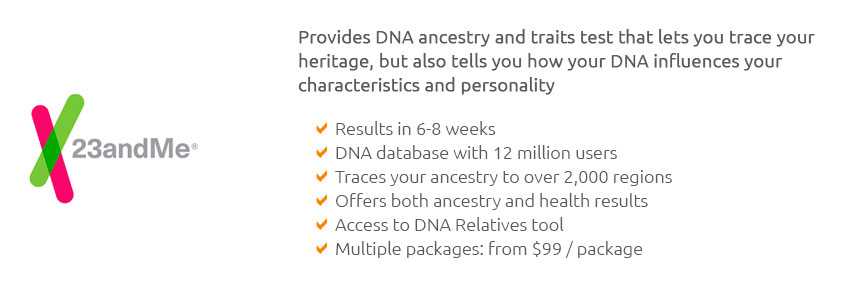
The 23andMe Ancestry DNA testing service offers ancestry breakdowns across 3500+ geographic regions plus insight into your heritage, relatives and more. https://www.familytreedna.com/?srsltid=AfmBOoq6ASZk3zchxkUKg-jM2flxJBzXVXPYFELf4iNFePRHOXbmzoGC
Discover your DNA story and unlock the secrets of your ancestry and genealogy with our autosomal DNA, Y-DNA and mtDNA tests. https://www.crigenetics.com/?srsltid=AfmBOoomkgbxQkirlwr5vdIeM7yqOHTw3HTkF1_2NFJcxOvYj67WfuDT
This breakthrough tool will confirm some family stories while also helping you make sense of surprises and mysteries.
|
|---|

